

Do you need an HDMI 2.1 monitor? - knoxmersed70
Computer monitors that support HDMI 2.1, the latest HDMI standard, are outset to trickle into online retailers. They sell at extremely high prices (when they'Re available in the least). Even the most affordable HDMI 2.1 monitors, equivalent the Gigabyte Aorus FI32U and Acer Nitro XV282K Kilovolt, are priced skinny $1,000.
The high price of HDMI 2.1 implies it's important, but the truth is Sir Thomas More nuanced. HDMI 2.1 brings spic-and-span features to the table, but they're relevant only to people with specific needs. Making matters even more complicated, the HDMI 2.0 spec has been out. All of its features are now considered a subset of HDMI 2.1, the only judge acceptable for use going forward, and you could death up with a reveal that conforms to earlier specs despite being branded as HDMI 2.1. You'ray going to have to interpret those specification sheets closely.
This guide focuses along displays that actually support the full list of HDMI 2.1 features. Here's who should, operating theatre shouldn't, buy an HDMI 2.1 ride herd on.
What is HDMI 2.1?
HDMI has become the human race's video interface for consumer electronics. You probably recognize it even if you don't make love what HDMI stands for (that's High-Definition Multimedia Interface, by the way).
First introduced in 2002, HDMI's primary common has received a number of updates to enable higher resolutions and refresh rates, among some other things.
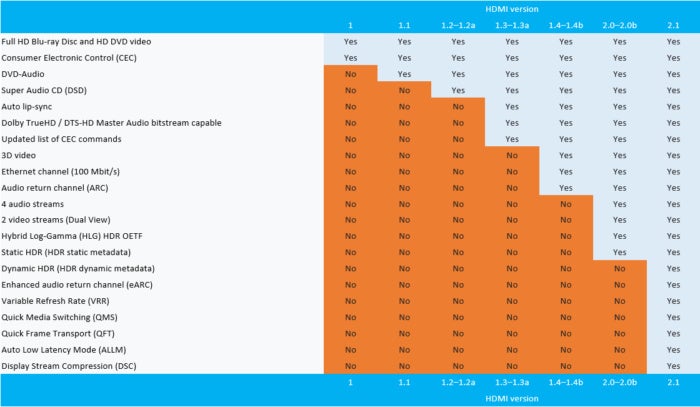
The graph higher up, which canful also be set up in our take to HDMI 2.1, lists the improvements found in HDMI's latest revision.
It's a significant update on paper, but much of it doesn't apply to monitors. Features like Dynamic HDR metadata and increased audio come back channel (eARC) target domicile theater enthusiasts.
Other features, like Quick Couc Transport (QFT) and Display Stream Compression (DSC) may be used by monitors but were already available concluded DisplayPort, operating room adaptive sync standards like AMD FreeSync and G-Sync.
For monitors, HDMI 2.1 is mostly about one specific upgrade: Variable Freshen Rate (VRR).
Cabinet gamers need HDMI 2.1
VRR, which stool vary a display's freshen up rate to match the output inning rate of a gimmick, is also available to monitors ended DisplayPort. It's the intact channelize of AMD's FreeSync and Nvidia's G-Sync. VRR is important to a PC monitor non because of what it can do, just what it can touch base to.
Game consoles don't livelihood DisplayPort, so HDMI 2.1's VRR is the only way to dynamically sync the video output from a PlayStation 5 surgery Xbox Series X/S with the refresh rate of your monitor. HDMI 2.1 as wel has the bandwidth to handle 4K resolution at 120Hz, which (usually) is not possible with HDMI 2.0.
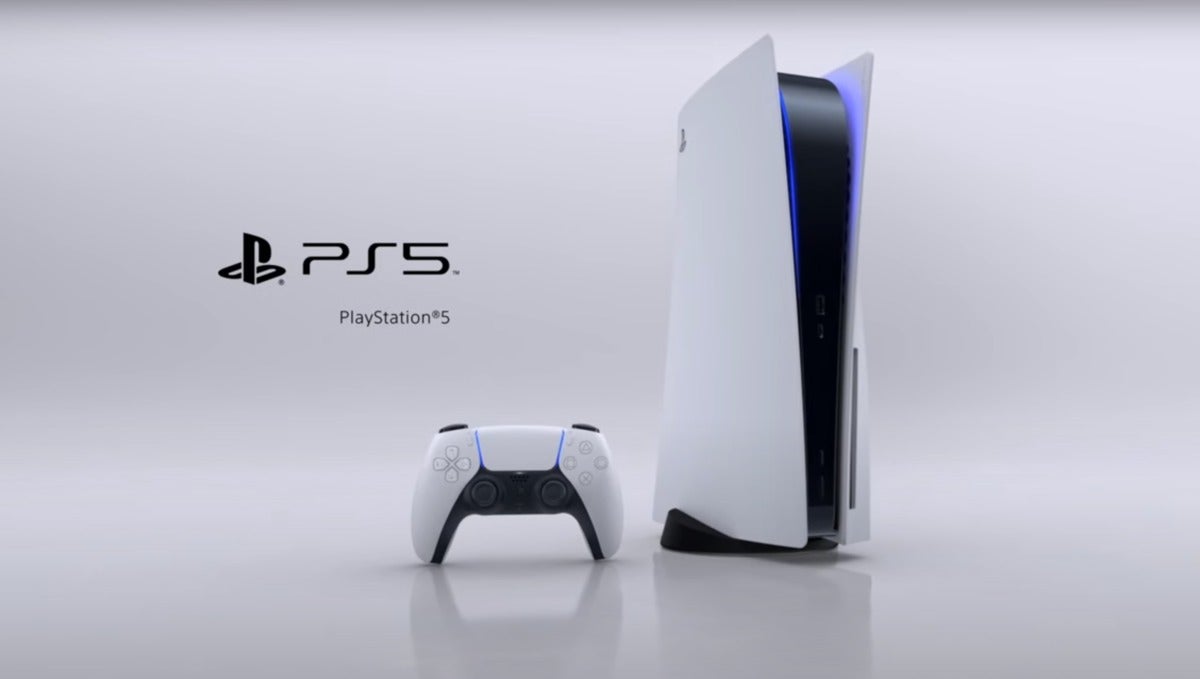
Because of this, HDMI 2.1 is the only way to enjoy the full performance potential of the Xbox Series X Beaver State PlayStation 5. Monitors that cap out at HDMI 2.0 volition function, of course, but a 4K ride herd on will have its video output capped at 60Hz, or 60 frames per indorsement.
That's a big plow. It cuts the potential framerate of games in half. Most new, big-budget games will not hit 120 fps, but experient titles that have received an update can. A great example is Halo: Master Of import Collection. An HDMI 2.1 monitor paired with an Xbox Series X can play the original Halo trilogy, plus Halo Reach and Halo ODST, at finished to 120 frames per second.
PC Gamers? Non so overmuch.
HDMI 2.1 is a big elevate for console gamers. If you'Re a PC gamer, however, HDMI 2.1 will non move.
The new standard's major features are already available to computer monitors connected through DisplayPort. VRR is the virtually obvious example. Nvidia G-Sync was first introduced clear back in 2013, and AMD responded with FreeSync in 2015. PC gamers have enjoyed the smooth gameplay provided away adaptive sync for years.
HDMI 2.1's improved resolution and refresh rate also fail to move the needle. DisplayPort added Display Stream Compression with 2016's DisplayPort 1.4 update, which made 4K high-refresh monitors possible. DisplayPort 2.0, the almost current standard, can technically handle up to 4K/240Hz, though no varan or video wag oversubscribed nowadays can occupy reward of this.
You can suppose DisplayPort dancing around HDMI shouting, "anything you can do, I send away do better!" The only advantage HDMI 2.1 offers to PC gamers is one extra video port that bum now be used for high refresh gaming.
Do I necessitate HDMI 2.1 for my home or office monitor?
Everything discussed so removed is focused on gaming, and permanently reason. HDMI 2.1 is whol but irrelevant for everything else.
There are inch cases where HDMI 2.1 power be facilitative. HDMI 2.1 can handle a 5K or 8K video display at upward to 120Hz (using DSC). HDMI 2.0 could only handle these displays at lower refresh rates or with a reduction in fancy timber.
DisplayPort already supports these resolutions, however, thus HDMI 2.1 over again follows in its footsteps. Most citizenry who ain a 5K surgery 8K monitor will link up it via DisplayPort.
If you use your monitor for word processing, browser, and insignificant gaming, you don't need to worry about HDMI 2.1 at all. The prior HDMI standard, HDMI 2.0, supports 4K at 60Hz. That's the highest resolve and refresh rate you'll find on a monitoring device designed for home office OR commercial office use.
Dress I pauperization HDMI 2.1 to be future-proof?
HDMI 2.1 is lonesome relevant to console table gamers right at present. But what about next year, or five years from now? Should you buy an HDMI 2.1 monitor to brace oneself for tomorrow's cutting-edge hardware?
The answer is a clear "nope!" DisplayPort once again steals HDMI's thunder. It can already handle all the important improvements in HDMI 2.1 so, excursus from console gaming, there's no intellect to seek out HDMI 2.1 specifically.
Most monitor shoppers can skip HDMI 2.1 (but it's coming for everyone)
You might be surprised to learn how narrow HDMI 2.1's appeal truly is. It has received plenty of hype over the past two years, most of which comes from the world of big-screen televisions. HDTVs, unlike monitors, seldom support DisplayPort, so the improvements available in HDMI 2.1 are a big mete out.
Information technology's a different story for monitors. DisplayPort can already handle the most relevant upgrades, so the new HDMI standard is only important when connecting devices that don't stick out DisplayPort, such as the PlayStation 5 and Xbox Series X game consoles.
HDMI 2.1 leave seminal fluid to all monitor eventually, of course. New standards in time become octogenarian standards, and HDMI 2.1 will be no different.
Until then, the takeaway is simple. Monitor shoppers who only plan to use a reminder with a PC can safely ignore HDMI 2.1.
Note: When you purchase something after clicking links in our articles, we may pull in a small commission. Read our affiliate link policy for more details.

Source: https://www.pcworld.com/article/394982/do-you-need-an-hdmi-21-monitor.html
Posted by: knoxmersed70.blogspot.com
0 Response to "Do you need an HDMI 2.1 monitor? - knoxmersed70"
Post a Comment